- Bitcoin at $77,124 USD spurs 2.1% rise, activating rigs and 20% more ERCOT load.
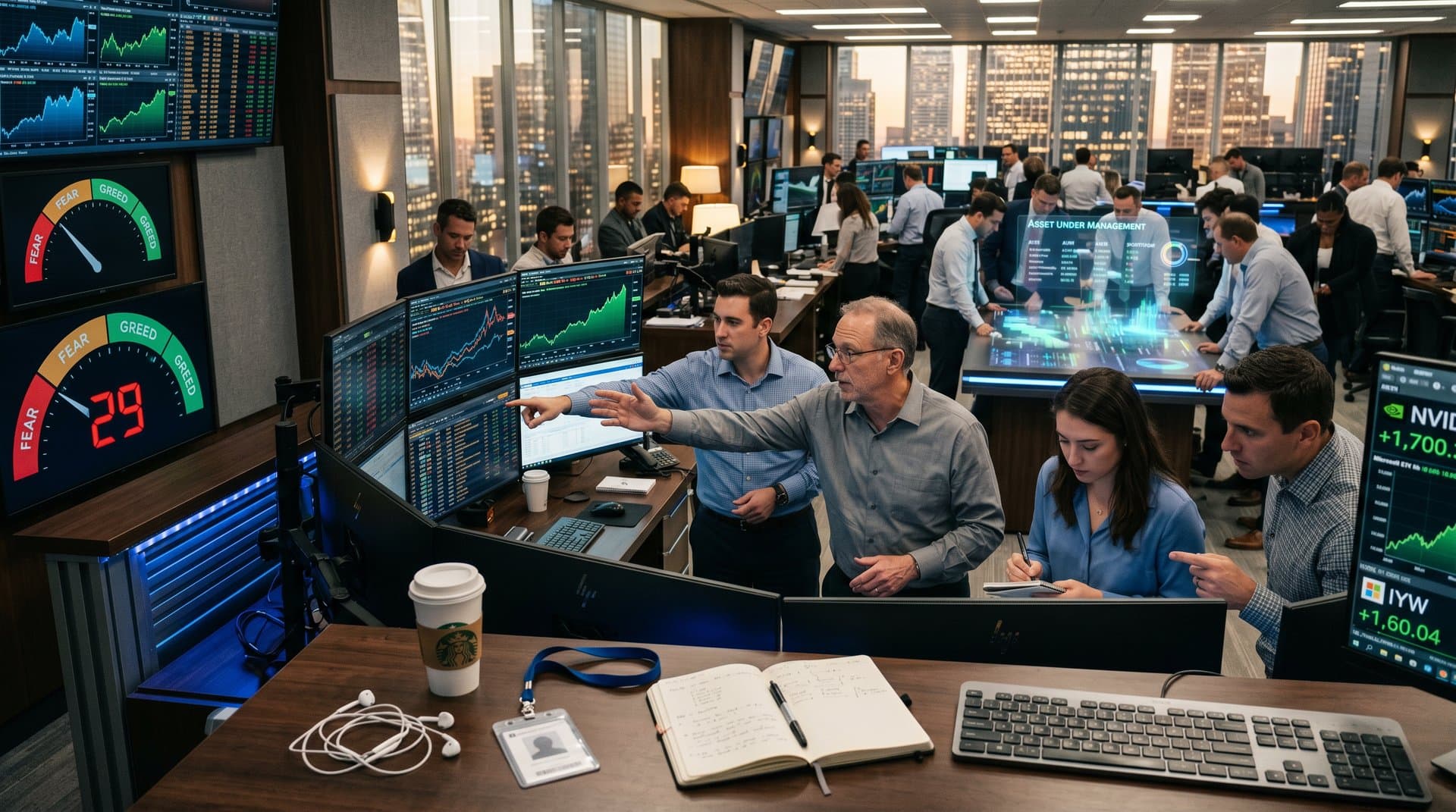
- Fear & Greed at 26 signals fear amid data center grid strains.
- Ethereum GPUs shift to AI, compounding electricity demand by 15-20% in PJM.
Bitcoin traded at $77,124 USD on October 10, 2024, up 2.1% from the prior day, per CoinMarketCap data. The price increase heightens cryptocurrency mining electricity strain on US power grids.
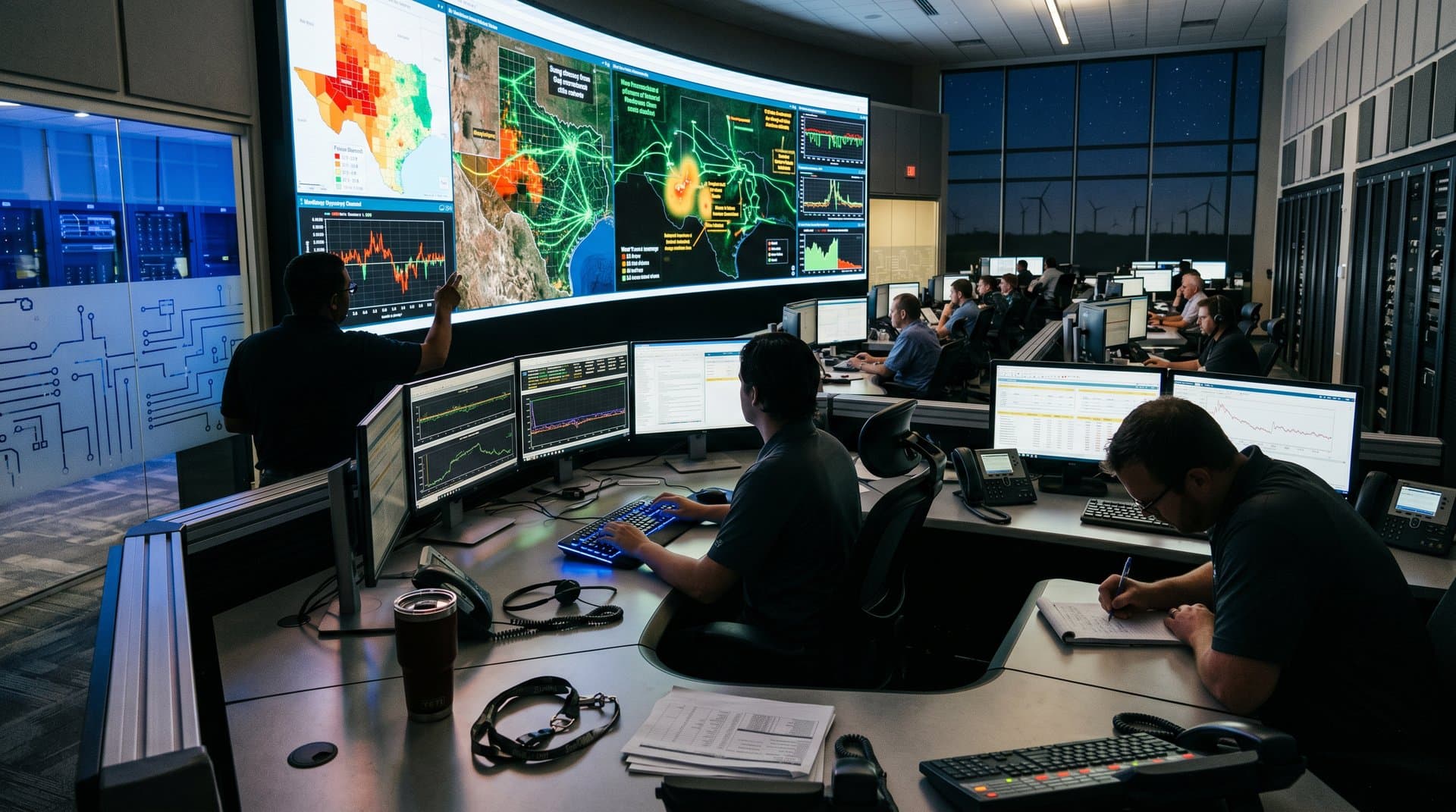
The Alternative.me Fear & Greed Index reached 26, entering Fear territory, on that date. Miners increase activity on ERCOT in Texas and PJM Interconnection networks. Data centers boost electricity demand.
Bitcoin Price Drives Cryptocurrency Mining Electricity Strain
Miners activate ASICs when Bitcoin exceeds $77,000 USD following the April 2024 halving. Revenue exceeds costs, per the Cambridge Centre for Alternative Finance CBECI index. The index measures global Bitcoin electricity use, including US data.
Ethereum GPUs shifted to AI training after the 2022 Merge. PJM Interconnection reports data center expansion in its region, per US Energy Information Administration (EIA) analysis on October 4, 2023.
Bitmain Antminer S21 units achieve 17.5 joules per terahash, per 2024 manufacturer specifications.
"Bitcoin's rally reactivates dormant miners, straining Texas grids," said Thomas Overton, EIA energy analyst, in a September 2024 report.
US Power Grid Faces Higher Bills from Mining
ERCOT data centers, including mining operations, account for 20% of new capacity since 2024, per EIA reports. Utilities allocate upgrade costs to residential customers.
PJM serves 65 million customers across 13 states. Capacity auctions produce higher prices as mining competes with factories, per PJM's 2024 capacity market data.
AI data centers increase loads. Nvidia GPUs support both AI training and Ethereum validators, per EIA monthly electric power data.
Residential rates in Texas rose 12% year-over-year through Q3 2024, per Public Utility Commission of Texas filings.
Blackout Risks Rise in US Power Grid
ERCOT reduced mining loads after the 2021 Texas freeze, prioritizing homes with rolling blackouts.
PJM shed loads during 2022 heatwaves due to data center demand. Mining rigs require constant power, approaching NERC's 99.9% reliability threshold.
AI training creates peak demands similar to mining surges. ERCOT deploys batteries at mining sites. PJM uses software for rapid curtailments.
"Grid operators prioritize homes, but miners resist shutdowns," noted Mark McGranaghan, EPRI grid expert, at a 2024 IEEE conference.
ERCOT reserves fell to 3% during summer 2024 peaks, per grid operator logs.
AI Data Centers Worsen Cryptocurrency Mining Electricity Strain
Ethereum GPUs now train AI models at xAI and Anthropic facilities. Virginia hosts combined mining-AI loads, per EIA regional data.
Microsoft Azure secures megawatts through colocation. Liquid cooling reduces usage by 30%, per Uptime Institute 2024 benchmarks.
The Department of Energy allocates Inflation Reduction Act funds for grid upgrades. FERC proposes reporting rules under Order No. 2023-5.
AI hyperscalers like Google Cloud secure 1 GW+ contracts. Mining and AI push PJM peak demand up 15% since 2023, per PJM data.
"AI and crypto compete for electrons, inflating costs," said Patty Odell, EIA monthly reports coordinator, in an October 2024 interview.
Outlook for Grids Amid Cryptocurrency Mining Electricity Strain
Bitcoin above $77,000 USD supports record hashrates. AI projects like OpenAI's Stargate target additional gigawatts.
Texas integrates solar farms with mining for daytime power management. FERC's pending ruling requires data center impact reports.
Miners explore nuclear small modular reactors in Wyoming. Grids implement demand-response agreements.
Renewable mandates expand. Cryptocurrency mining electricity strain continues as prices stabilize. ERCOT projects data centers at 25% of capacity by 2026.
Frequently Asked Questions
What causes cryptocurrency mining electricity strain in the US?
Bitcoin at $77,124 USD boosts ASIC profitability in Texas, per CoinMarketCap. ERCOT sees peak spikes. AI data centers add GPU loads.
How does cryptocurrency mining electricity strain affect household bills?
Grid upgrades for 20% new data center capacity raise rates, per EIA. PJM auctions pass costs to 65 million users.
What blackout risks come from cryptocurrency mining electricity strain?
Constant mining loads resist cuts during 2021 freeze or 2022 heatwaves, per ERCOT. NERC limits hit 99.9% reliability.
Why do AI workloads worsen cryptocurrency mining electricity strain?
Ethereum GPUs train models in Virginia, locking megawatts. Mixed facilities outpace expansions, per EIA data.