December 27, 2022 – Password management giant LastPass has dropped another bombshell in its ongoing security saga, announcing that cybercriminals have infiltrated its development environments and made off with proprietary source code and technical drawings. The revelation, detailed in a December 22 blog post, comes nearly four months after the initial breach detection and highlights the persistent threat posed by sophisticated nation-state actors.
Timeline of the LastPass Intrusion
The troubles began on August 24, 2022, when LastPass detected anomalous activity on a developer platform. At the time, the company assured users that encrypted password vaults remained secure, with no evidence of decryption. However, subsequent investigations painted a grimmer picture.
By October 31, LastPass confirmed that the threat actor had accessed an employee's corporate vault, which contained cloud storage credentials. This allowed the hackers to pivot to encrypted vaults copied from the August incident. The company emphasized that vaults are protected by a zero-knowledge architecture, requiring users' master passwords for decryption – a critical safeguard that, in theory, keeps actual passwords safe.
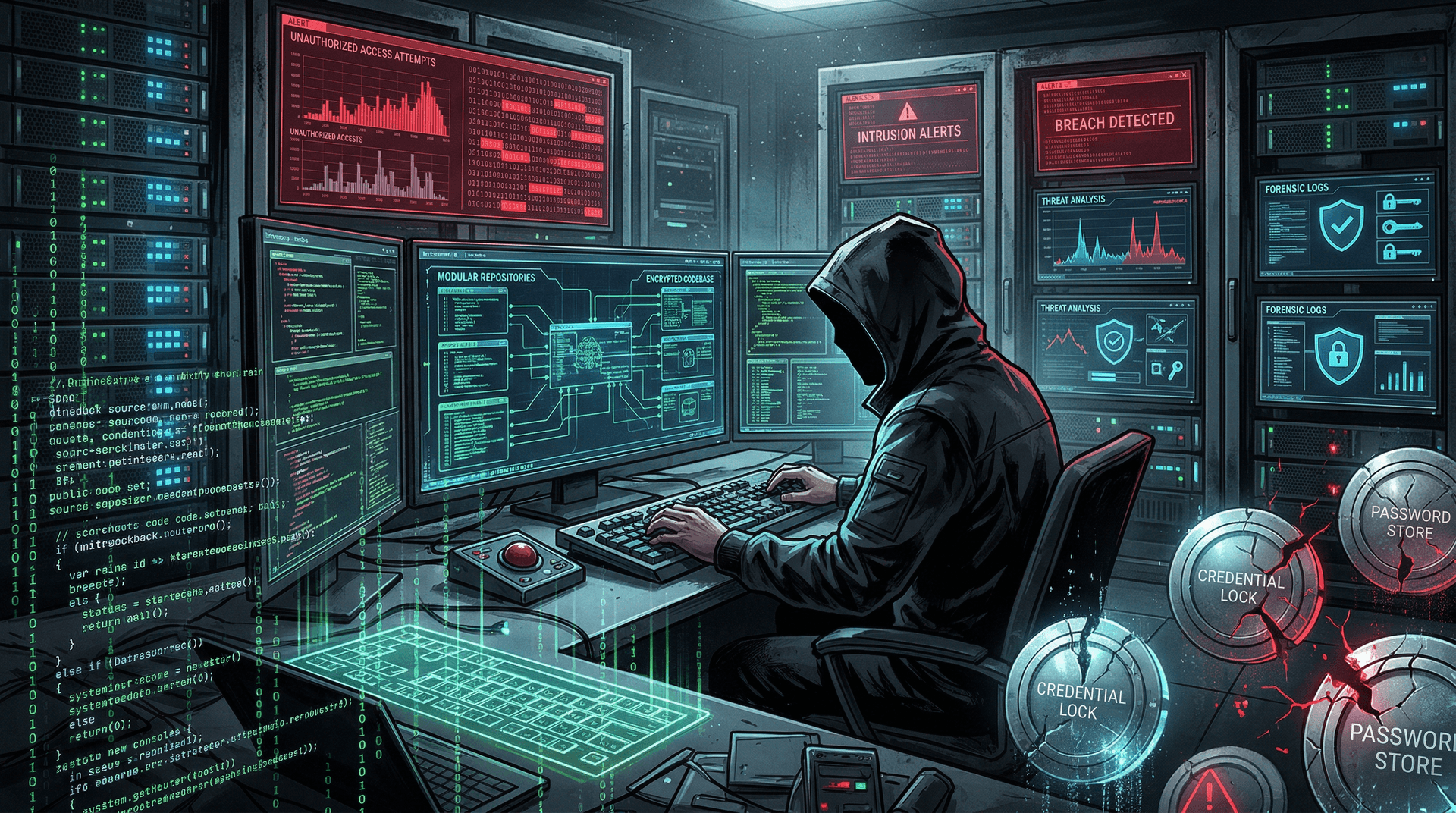
Now, the December update reveals the attackers' reach extended further. Using compromised credentials, they logged into the LastPass engineering environment between November 21 and December 20. Once inside, the perpetrators cloned GitHub repositories, exfiltrating approximately 28,000 lines of source code along with browser auto-fill diagrams and implementation drawings. LastPass stresses that no customer data was directly accessed in this phase, but the theft of intellectual property raises alarms about potential future exploits.
What Was Stolen and Why It Matters
The pilfered assets include core source code for LastPass products, which could give attackers deep insights into the software's inner workings. Security experts warn this is a classic supply chain attack vector, akin to the SolarWinds breach in 2020, where compromised code was used to distribute malware to thousands of victims.
"Source code theft is a goldmine for advanced persistent threats," says cybersecurity analyst Kevin Beaumont, formerly of Microsoft. "Adversaries can reverse-engineer vulnerabilities, craft targeted exploits, or even create malicious clones of legitimate tools. For a password manager like LastPass, this is particularly dangerous."
LastPass reports that the threat actor, believed to be linked to the 'LAPSUS$' group or similar actors based on tactics, techniques, and procedures (TTPs), uploaded the stolen data to an online storage site. The company has since rotated credentials, implemented additional multi-factor authentication (MFA), and engaged incident response firm Mandiant for forensics.
User Impact and Response Measures
For LastPass's 30 million-plus users, the advice remains unchanged: Change your master password if it's weak or reused elsewhere, enable MFA where possible, and monitor for suspicious activity. LastPass has rolled out enhanced security features, including a vault health report in beta, which flags weak or compromised passwords.
The company also notes that while the stolen code doesn't grant direct access to vaults, users with short or predictable master passwords are at higher risk. "We urge everyone to adopt a strong, unique master password," LastPass CEO Karim Touama stated in the update. "Our zero-knowledge model holds, but human factors remain the weakest link."
Critics, however, question the company's transparency timeline. Independent researcher Ryan Dewhurst, who first flagged issues in August, points out delays in disclosures allowed the attackers to maneuver freely. "This breach shows password managers aren't bulletproof," Dewhurst told CSN News. "Diversifying auth methods – biometrics, hardware keys – is essential."
Broader Cybersecurity Implications
This incident lands amid a torrent of high-profile breaches. Just last week, Okta disclosed a similar support system compromise, and GoDaddy revealed a managed WordPress breach affecting 1.2 million customers. Ransomware groups like BlackCat (ALPHV) continue to wreak havoc, with healthcare and critical infrastructure in the crosshairs.
The U.S. Cybersecurity and Infrastructure Security Agency (CISA) has issued alerts on credential stuffing and living-off-the-land techniques matching those used against LastPass. Nation-state actors, particularly from North Korea and Russia, are ramping up operations, per recent Mandiant reports.
Password managers, once hailed as a panacea for credential chaos, now face scrutiny. Tools like 1Password, Bitwarden, and Dashlane tout similar zero-knowledge claims, but incidents erode trust. Industry-wide, there's a push toward passwordless auth via FIDO2 standards and passkeys, championed by Apple and Google.
Lessons for Enterprises and Individuals
For businesses, the LastPass saga underscores the need for least-privilege access, regular credential rotations, and behavioral analytics to detect insider-like threats. DevSecOps practices – integrating security into CI/CD pipelines – could have limited GitHub exposure.
Individuals should prioritize:
- Unique master passwords: At least 20 characters, generated randomly.
- Hardware MFA: YubiKeys over SMS or app-based.
- Vault monitoring: Use breach checkers like Have I Been Pwned?
- Alternatives: Consider self-hosted options like Bitwarden for paranoia levels.
LastPass maintains its service is safe for continued use, with over 99.9% uptime post-incident. But the code theft prompts questions: Could attackers find zero-days? Forge phishing tools mimicking LastPass?
Looking Ahead
As investigations continue, LastPass promises more updates. Regulators may scrutinize under frameworks like NIST 800-53 or emerging EU cyber directives. For now, this breach serves as a wake-up call: In cybersecurity, persistence pays – for defenders and attackers alike.
The password manager market, valued at $2.5 billion and growing, must innovate or perish. Frictionless, secure auth is the holy grail, but until then, vigilance is key.
CSN News will monitor developments. Have you switched password managers post-LastPass? Share in the comments.
(Word count: 1024)