In a dramatic escalation of cyber threats against high-profile targets, MGM Resorts International, one of the largest casino operators in the world, has been hit by a crippling ransomware attack. The incident, which began on September 10, 2023, has brought parts of its vast Las Vegas empire to a standstill, affecting slot machines, hotel reservations, digital keys, and customer-facing apps. As of September 19, operations remain disrupted, underscoring the vulnerability of even well-resourced companies to sophisticated cybercriminals.
The Attack Unfolds
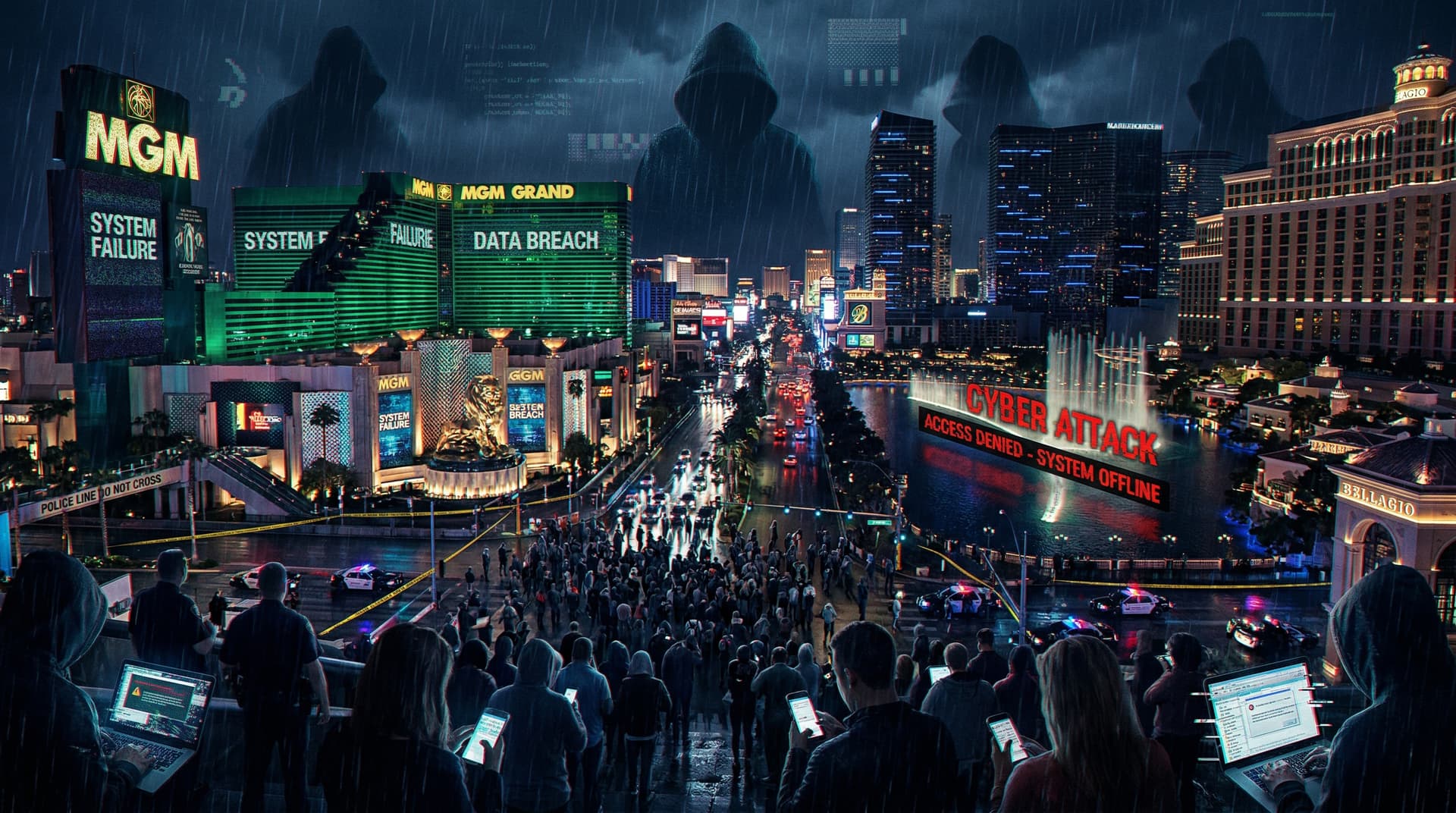
The chaos erupted early on Sunday, September 10, when MGM's systems began failing across multiple properties, including the iconic Bellagio, MGM Grand, Mandalay Bay, and Luxor. Guests reported being unable to access rooms via mobile apps, slot machines displaying error messages, and long lines at check-in counters where staff resorted to pen-and-paper methods. The company's website and betting app, BetMGM, were also knocked offline, preventing wagers and online reservations.
MGM confirmed the outage stemmed from a 'cybersecurity issue' but has not officially attributed it to any specific group. However, cybersecurity firms and researchers quickly pointed to ALPHV/BlackCat (also known as BlackCat), a notorious ransomware-as-a-service (RaaS) operation. On September 11, the group claimed responsibility on its dark web site, posting screenshots of allegedly stolen MGM data, including customer information and internal documents. They demanded a ransom, though specifics remain undisclosed.
This isn't an isolated incident. Around the same time, rival Caesars Entertainment disclosed a similar breach affecting its loyalty program database. Caesars opted to pay an undisclosed sum—estimated at tens of millions—to mitigate further damage, a decision that has sparked debate in the industry.
Tactics Employed by Attackers
Experts believe the attack leveraged social engineering rather than traditional exploits. According to reports from Mandiant and other firms, the perpetrators, possibly linked to the Scattered Spider hacking crew, used vishing (voice phishing) to trick help desk employees into resetting credentials. Once inside, they deployed ransomware to encrypt systems and exfiltrate data for extortion.
BlackCat, which emerged in 2021 from the ashes of the DarkSide group (behind the Colonial Pipeline attack), specializes in double-extortion: encrypting data and threatening to leak it. The group has evolved its tools, including the Linux/ESXi-targeting variant, making it a formidable threat. MGM's sprawling IT environment—spanning thousands of endpoints, IoT devices in slots, and cloud services—provided a rich target.
"Casinos are a goldmine for ransomware gangs," said cybersecurity analyst Kevin Beaumont, formerly of Microsoft. "High cash flow, valuable customer data, and complex legacy systems make them prime targets."
Immediate Impacts on Las Vegas
The fallout has been immediate and visible. Las Vegas, the entertainment capital, saw thousands of gamblers frustrated as machines went dark. High-rollers couldn't access vaults, and conventions were disrupted. MGM estimated daily losses in the tens of millions, with some analysts pegging the total at over $100 million by mid-September.
Guest experiences turned nightmarish: One visitor at the Aria waited hours for a room key, only to find elevators offline. Social media flooded with videos of blank screens and handwritten 'Out of Order' signs. The attack even affected parking garages and ATMs, forcing cash-only transactions in some areas.
MGM has been restoring systems piecemeal. By September 15, some slots and websites flickered back online, but full recovery is projected to take weeks. The company activated its cyber insurance policy, though details are confidential.
Broader Industry and Regulatory Ramifications
This breach comes amid heightened scrutiny of cybersecurity in critical sectors. The U.S. gaming industry, regulated by bodies like the Nevada Gaming Control Board, now faces questions about compliance with standards like PCI-DSS for payments and NIST frameworks.
The FBI and CISA (Cybersecurity and Infrastructure Security Agency) issued alerts on September 13, urging organizations to patch known vulnerabilities and train against phishing. President Biden's 2021 cybersecurity executive order emphasizes resilience, but incidents like this reveal gaps.
Comparisons to past attacks are inevitable. The 2021 Caesars breach exposed 10 million records, while MGM's potential data dump could dwarf that, including PII, financial details, and loyalty points data.
Lessons for Businesses
1. Zero Trust Architecture: Assume breach. MGM's reliance on single-factor help desk verification likely enabled initial access.
2. Incident Response Drills: Regular simulations could shorten downtime. MGM's air-gapping of systems helped contain spread.
3. Vendor and Supply Chain Security: Casinos integrate third-party tech; vetting is crucial.
4. Ransom Payment Dilemma: While Caesars paid, experts like the FBI advise against it, as it funds crime. NoPay policies are gaining traction.
5. Backup Integrity: Offline, immutable backups proved vital for MGM's partial recovery.
Expert Opinions
Allan Liska of Recorded Future noted, "RaaS groups like BlackCat are professionalizing crime. They're targeting where the money is—hospitality next?"
John Hultquist of Mandiant added, "The social engineering vector shows attackers are bypassing tech defenses with human ones. Training is key."
Looking Ahead
As investigations continue, MGM vows transparency and enhanced defenses. The incident may spur federal legislation, similar to post-SolarWinds pushes. For now, it serves as a stark reminder: In the digital age, no venue is too glamorous for cybercriminals.
Cybersecurity isn't just IT—it's business continuity. Las Vegas lights may dim, but the fight against ransomware burns brighter.
(Word count: 912)