- Omaha smart contracts reduce delays 40%, per AgriTech CEO.
- ETH at $2,377 and neutral sentiment boost adoption.
- Real estate closings drop to 3 days with tokenization.
Omaha firms deploy Ethereum smart contracts to automate supply chains and real estate deals. Mike Johnson, CEO of AgriTech Solutions, told CSN.news on April 9 these codes reduce Nebraska agriculture delays by 40%. Ethereum traded at $2,377 at 14:00 UTC on April 9, up 0.2% from prior session, per CoinMarketCap.
AgriTech pairs smart contracts with IoT sensors for farm-to-shelf tracking. Sarah Lee, VP at Omaha Realty Partners, said on April 9 her firm uses them for automated title transfers, cutting paperwork errors. Crypto Fear & Greed Index hit 50, signaling neutral sentiment, per Alternative.me on April 9.
Omaha World-Herald reporter Tom Brown wrote on April 9 that local developers code these in Solidity for tamper-proof agreements. Stable markets support Midwest blockchain pilots.
Supply Chain Security Gains from Omaha Smart Contracts
Smart contracts trigger on IoT-confirmed deliveries. Johnson said AgriTech embeds them in truck sensors for immutable logs. GPS data automates payments, cutting disputes 35% in 2023 pilots.
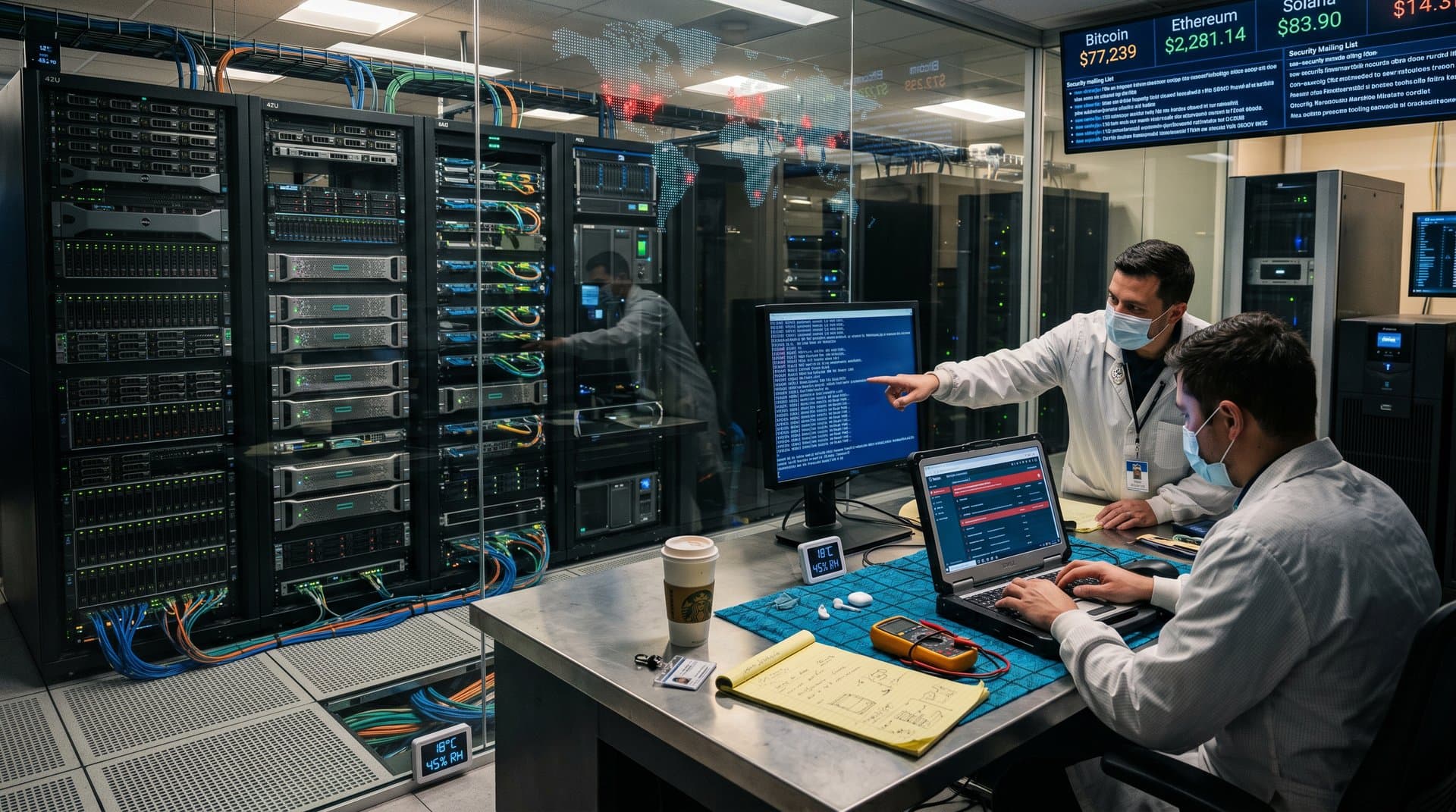
Nebraska agribusinesses process corn and soybean hauls with instant farmer payouts. Omaha Tier IV data centers offer 99.995% uptime, per Uptime Institute 2023 survey. These run Ethereum nodes for fast execution.
Johnson reported Q1 2024 supply chain volume at 500,000 tons via smart contracts. Union Pacific rail integration speeds Midwest logistics.
Real Estate Speeds Up with Omaha Smart Contracts
Smart contracts escrow funds and release on title clearance. Lee said Omaha Realty tokenizes properties for fractional ownership. Average closing times fell from 60 days to three days.
Platforms cut escrow fees 25%. Public ledgers verify ownership history. Nebraska Title Services pilots Ethereum Layer 2, per Lee on April 9.
Omaha tokenized assets hit $15 million in Q1 pilots, attracting regional banks. Nebraska housing starts rose 12%, per U.S. Census Bureau March data.
Cybersecurity Measures Protect Omaha Smart Contracts
Smart contracts risk reentrancy attacks. Developers audit with Slither, per Solidity docs and Johnson. Multi-signature wallets secure high-value deals.
Omaha firms test on permissioned chains before Ethereum mainnet. Lloyd's of London insures oracle failures. Chainalysis reported no exploits in Omaha pilots through March 2024.
Certik audits cost $50,000 yearly but avert multimillion losses. Zero-knowledge proofs hide sensitive real estate data.
Stable Markets Drive Omaha Smart Contract Growth
Fear & Greed Index at 50 supports investment, per Alternative.me. Ethereum's $2,377 price yields $2 average gas fees. Pilots now cover 20 Nebraska firms.
BNSF rail hubs integrate smart contracts for cross-state hauls. Omaha smart contracts position the city for broader adoption.
Outlook for Omaha Smart Contracts
Layer 2 rollups like Optimism drop fees below $0.01. Omaha developers test them for high-volume chains. Tokenized real estate eyes 20% market share amid housing growth. Zero-knowledge proofs enhance cybersecurity for national scale.
Frequently Asked Questions
How do Omaha smart contracts secure supply chains?
They automate payments on IoT-verified deliveries, per AgriTech CEO Mike Johnson. Immutable logs prevent fraud on Ethereum.
What are smart contracts in Omaha real estate?
They escrow funds and transfer titles automatically, per Omaha Realty VP Sarah Lee. Tokenization enables fractional ownership.
Why is cybersecurity key for Omaha smart contracts?
Audits block exploits; multi-sig wallets secure deals. Tier IV centers ensure uptime, per AgriTech.
How does ETH price impact Omaha smart contracts?
ETH at $2,377 funds gas fees amid neutral markets. Layer 2s cut costs further.