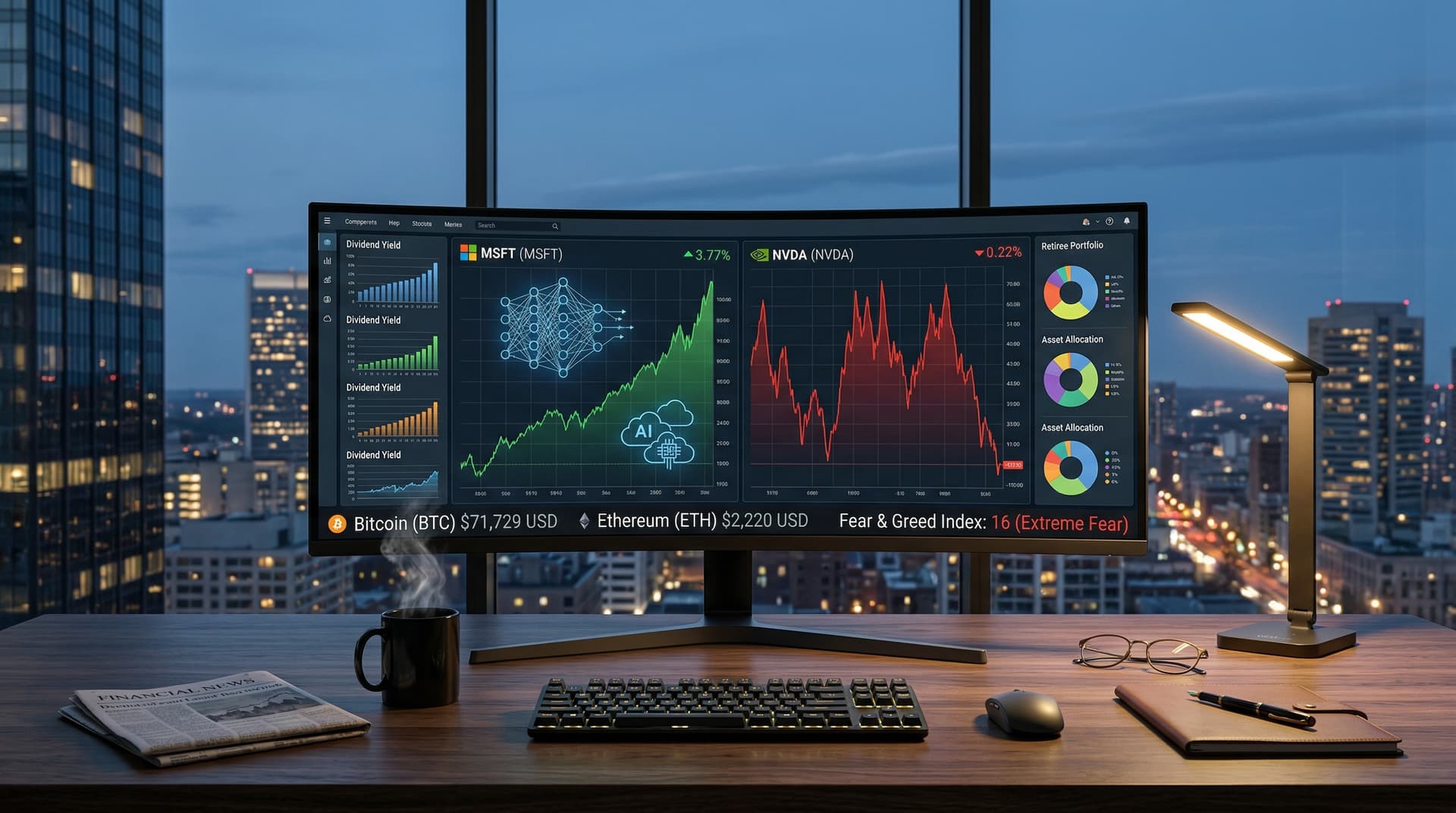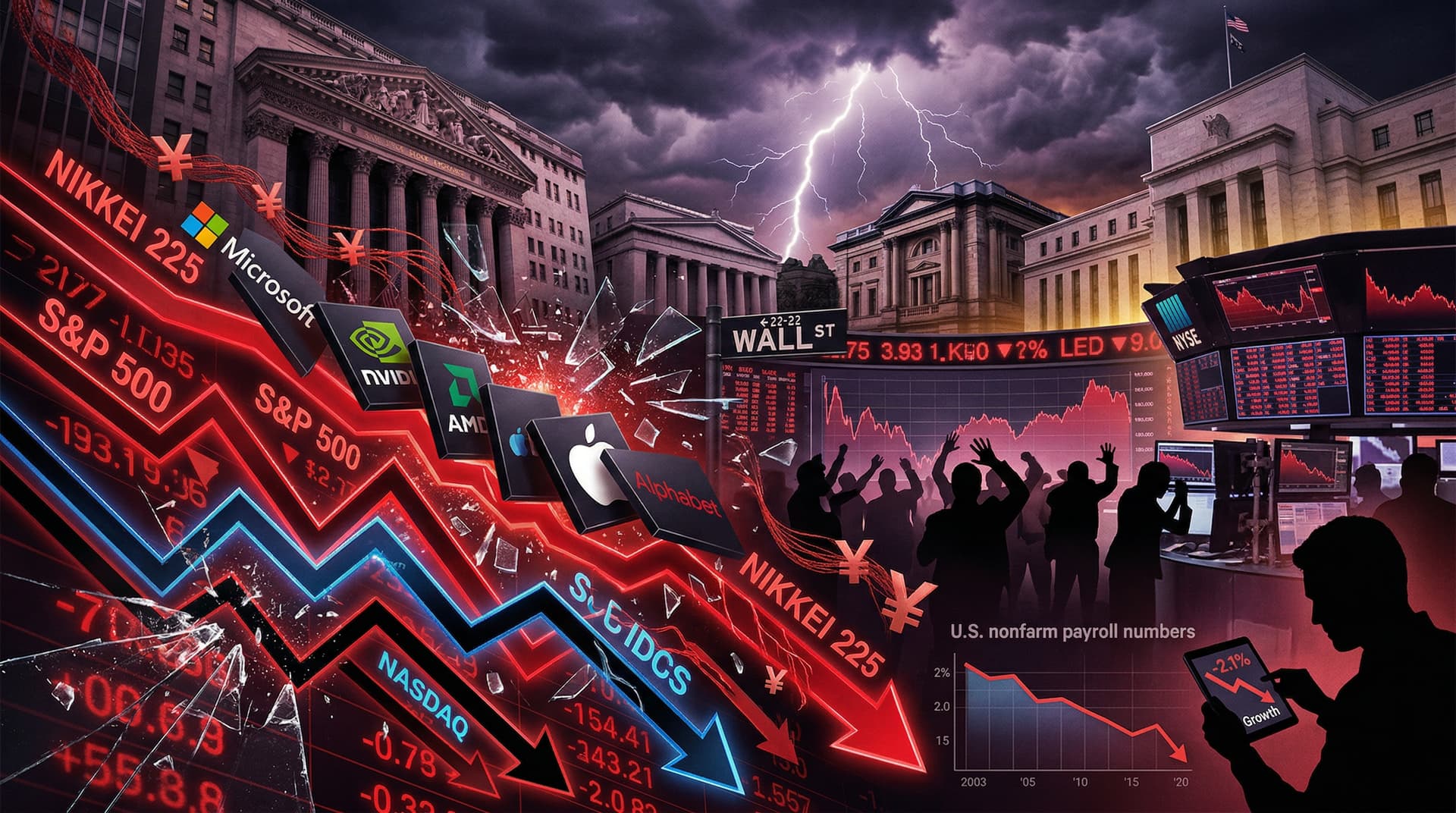
As the Paris Olympics draw to a close today, August 11, 2024, the financial world remains gripped by the aftershocks of last week's harrowing market plunge. What began as a sobering U.S. jobs report on August 2 escalated into the sharpest global sell-off since the early COVID-19 days, with tech stocks bearing the brunt. This review examines the catalysts, the devastating toll on the technology sector, and the strategic lessons emerging from the chaos.
The Spark: U.S. Jobs Data Disappoints
The trouble ignited on Friday, August 2, when the Bureau of Labor Statistics released July's employment figures. Nonfarm payrolls rose by just 114,000—a stark miss against economists' consensus of 175,000. Unemployment ticked up to 4.3%, the highest since October 2021, fueling immediate recession fears. The report also revised downward prior months' gains by 86,000 jobs, painting a bleaker picture of economic momentum.
Markets reacted swiftly. The S&P 500 shed 2%, the Nasdaq Composite dropped 2.2%, and the Dow Jones lost over 1,000 points in a single session. Tech-heavy indices felt the heat, with the "Magnificent Seven"—Apple, Microsoft, Nvidia, Amazon, Alphabet, Meta, and Tesla—collectively losing hundreds of billions in market cap. Investors fled to safe havens like Treasuries, pushing 10-year yields below 4% for the first time since May.
Black Monday Unleashed: August 5 Carnage
The real pandemonium erupted on Monday, August 5. Overnight, Japan's Nikkei 225 plummeted 12.4%—its worst single-day drop since 1987's Black Monday. The catalyst? The Bank of Japan (BoJ) surprised markets by hiking its short-term policy rate to 0.25% from 0.1% on July 31 and signaling an end to yield curve control, sparking a yen carry trade unwind. Trillions in leveraged bets soured, forcing mass liquidations.
U.S. markets opened to mayhem. The Dow cratered 2.6% (over 1,000 points), the S&P 500 fell 3%, and Nasdaq tumbled 3.4%. Europe's STOXX 600 dropped 2.6%. Tech stocks led the rout: Nvidia plunged 6.5%, Broadcom 7.2%, Advanced Micro Devices (AMD) 7.1%, and Super Micro Computer 8.6%. Even stalwarts like Apple (-4.9%) and Microsoft (-3%) couldn't escape. Delta Air Lines shares nosedived 13% amid travel disruptions, but the narrative centered on Big Tech's vulnerability.
By mid-week, partial rebounds emerged. On August 6, Warren Buffett's Berkshire Hathaway jumped 6.4% on strong earnings, offering a brief respite. August 7 saw Uber soar 10% post-earnings, buoyed by travel demand. Yet, August 8 brought mixed signals—Disney beat estimates but warned of consumer pullback—while August 9 closed with the S&P up 1.2% amid hopes for Federal Reserve rate cuts.
Tech Sector Under the Microscope
The crash exposed fault lines in the tech boom. AI darlings like Nvidia, whose stock had surged 150% year-to-date on Blackwell chip hype, suddenly looked overvalued. Trading at 70x forward earnings, Nvidia's $3 trillion valuation drew scrutiny. The sell-off erased $500 billion from its market cap in days.
Semiconductors bore outsized pain. The VanEck Semiconductor ETF (SMH) dropped 10% in a week. Intel, already reeling from August 1's Q2 earnings flop and 15,000 layoffs announcement, shed another 5%. AMD and Qualcomm followed suit, as investors questioned AI infrastructure spending sustainability amid softening demand signals.
Cloud giants weren't immune. Amazon's AWS growth slowed to 19% in Q2, missing lofty expectations. Microsoft's Azure, tied to OpenAI, faced macro headwinds. Consumer tech faltered too: Tesla dipped on softening EV sales in China, while Apple's iPhone cycle anticipation offered little buffer.
Finance-tech intersections amplified the drama. Fintechs like Robinhood saw volumes spike on volatility, but crypto markets mirrored equities—Bitcoin fell below $50,000 before stabilizing. PayPal and Block highlighted payment resilience, yet broader fintechs trembled.
Root Causes: A Perfect Storm
This wasn't random. Key drivers include:
1. Macro Slowdown Signals: The jobs report confirmed manufacturing PMI contraction and rising jobless claims. Consumer spending, 70% of GDP, shows cracks—retail sales flat in June.
2. Carry Trade Collapse: BoJ's hawkish pivot forced unwinding of $4 trillion in yen-funded investments in U.S. assets, including tech.
3. Valuation Extremes: Nasdaq's 30x earnings multiple screamed froth. Post-crash P/E ratios compressed, prompting rotation to value stocks.
4. Geopolitical Tensions: Ongoing U.S.-China chip wars and Middle East unrest add uncertainty.
5. Fed Watch: September rate cut odds jumped to 100%, but Chair Powell's Jackson Hole speech (August 23) looms large.
Lessons and Strategic Review
For tech investors, this crash is a reality check. Diversification matters: Over-reliance on AI narratives proved risky. Buy-the-dip discipline: Historical precedents (2022 bear market) show rebounds, but timing is key. Earnings quality: Companies like Uber and Cisco (Q3 revenue +11% on AI networking) shine amid chaos.
Bull case: Tech capex cycles endure— hyperscalers plan $200B+ AI spend in 2024. Bear case: Recession could slash ad budgets (Meta, Alphabet) and enterprise IT.
Looking Ahead from August 11
With markets shuttered for the weekend, focus shifts to CPI data next week and Fed signals. Tech's resilience—evident in partial recoveries—suggests the sector's fundamentals hold. Yet, this review underscores vigilance: In volatile times, cash is king, and patience rewards the prepared.
The early August 2024 crash, while brutal, recalibrates valuations for sustainable growth. Tech investors, take note: Innovation thrives, but markets demand humility.
Word count: 942