By [Your Name], Senior Tech Journalist | May 10, 2024
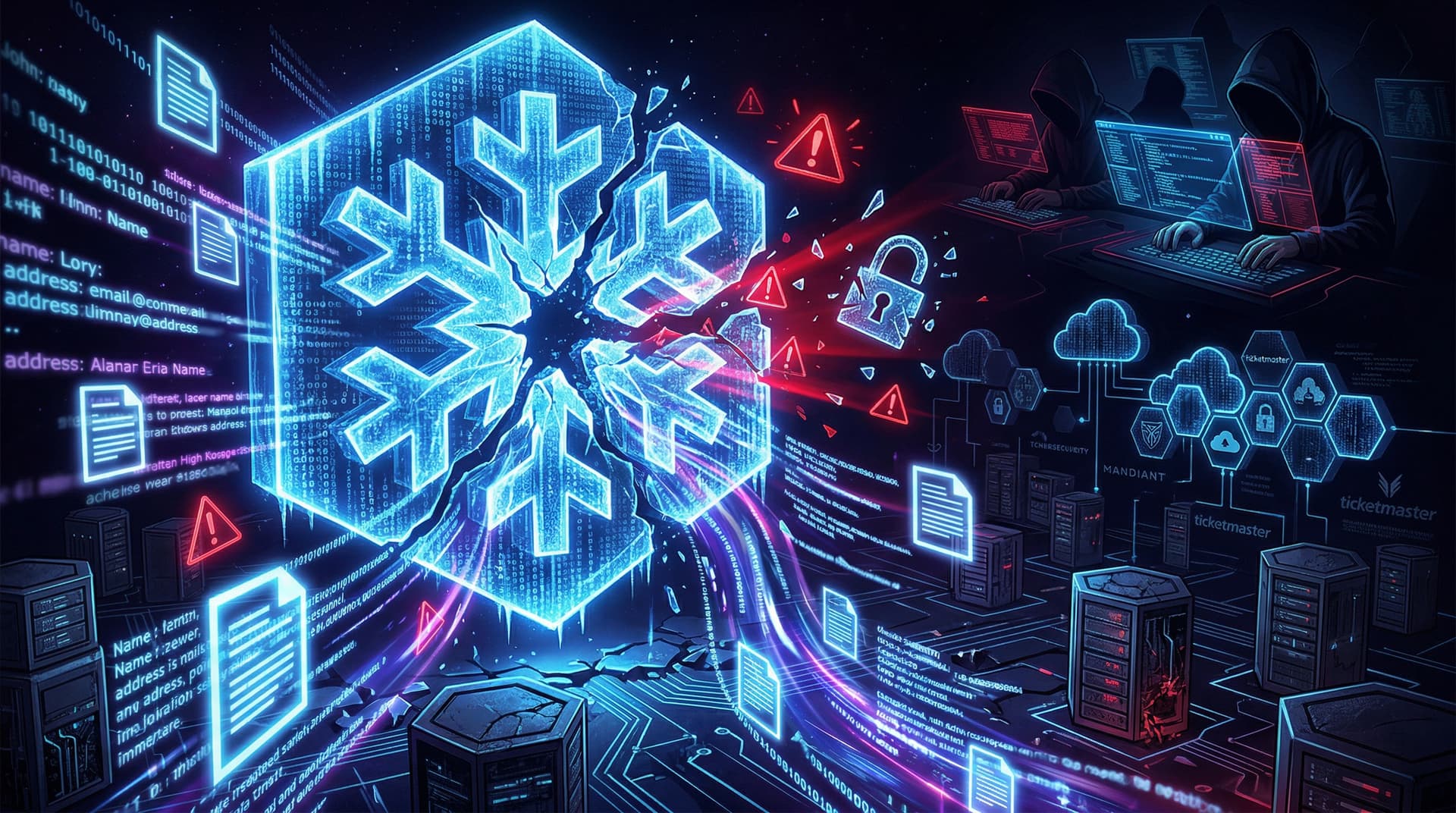
In a stark reminder of the vulnerabilities plaguing cloud storage services, cybersecurity firm Mandiant disclosed on May 1, 2024, a widespread hacking operation targeting Snowflake Inc.'s platform. Dubbed UNC5537 by Mandiant, the threat actor exploited poorly secured customer accounts to siphon off massive troves of sensitive data from high-profile companies including Live Nation's Ticketmaster, Santander Bank, and Advance Auto Parts. This incident, unfolding in late April and early May, underscores the perils of neglecting basic security hygiene in enterprise cloud environments.
The Anatomy of the Breach
Snowflake, a leading cloud-based data warehousing company, provides scalable storage solutions to thousands of organizations worldwide. However, the platform's flexibility comes at a cost: customer accounts are often misconfigured. Mandiant's investigation revealed that UNC5537 actors gained initial access using stolen credentials previously harvested from infostealer malware campaigns dating back to 2020. Crucially, many compromised Snowflake instances lacked multi-factor authentication (MFA), allowing attackers unfettered access without additional verification.
Once inside, the hackers enumerated accounts, exfiltrated data, and even deployed malicious tools for persistence. No evidence suggests exploitation of Snowflake's core software vulnerabilities; rather, the blame lies squarely on customer-side security lapses. Mandiant tracked the group to at least February 2024, with activity peaking in April.
Key Victims and Data Stolen
- Ticketmaster (Live Nation): On May 3, 2024, Live Nation confirmed a breach affecting its Ticketmaster subsidiary. The 'ShinyHunters' group, claiming responsibility on BreachForums, boasted of extracting 1.25 terabytes of data encompassing 560 million unique customer records. This includes names, addresses, emails, phone numbers, partial credit card details, and order histories spanning 2012-2024. Ticketmaster reported no full credit card numbers were compromised but urged users to monitor accounts.
- Santander Bank: The Spanish banking giant verified on May 2 that customer data was stolen, though it downplayed immediate risks. Affected records reportedly include names, account numbers, and transaction details for Santander employees and possibly clients in multiple countries.
- Advance Auto Parts: The U.S. auto retailer disclosed a 193 million-record breach on May 6, with data like names, addresses, and phone numbers lifted from its Snowflake environment.
Other potential victims include LendingTree and others, as the campaign netted data from over 100 organizations via Snowflake.
Mandiant's Deep Dive into UNC5537
Mandiant, now part of Google Cloud, published a comprehensive report detailing UNC5537's tactics. The group, financially motivated, monetized stolen data through dark web sales. Tools used included Brute Ratel C4, a commercial red-team framework repurposed for crime. Activity clusters on BreachForums under aliases like 'Sp1deyWonder' and 'moonwalk-in.
The report highlights a 'harvest now, decrypt later' strategy, where encrypted data is stored for future ransomware decryption. Mandiant attributes some activity to Scattered Spider, a LockBit affiliate linked to prior breaches like MGM Resorts in 2023.
> "This incident is a wake-up call for all Snowflake customers," said John Hultquist, VP of Intelligence at Mandiant. "Basic controls like MFA could have prevented this entirely."
Snowflake's Response and Industry Fallout
Snowflake swiftly activated its security incident response, notifying affected customers by April 30. CEO Sridhar Ramaswamy emphasized in a blog post that no tenant or customer passwords were compromised, and core platform security remained intact. The company mandated MFA for all accounts going forward and partnered with Mandiant for remediation.
However, critics argue Snowflake's shared responsibility model confused users. In cloud services, providers secure the infrastructure, but customers must protect access. This breach echoes the 2023 MOVEit and MOVEit supply chain attacks, where third-party flaws cascaded.
Stock reactions were muted: Snowflake (SNOW) dipped 2% post-disclosure but recovered. Contrastingly, Live Nation (LYV) shares fell 1.5%, reflecting fanbase privacy concerns amid rising ticket scalping scams.
Broader Implications for Cloud Security
This event amplifies calls for zero-trust architectures. Key takeaways:
1. Enforce MFA Everywhere: Snowflake's own stats pre-breach showed only 25% of trial accounts used it.
2. Monitor Credentials: Regularly scan for compromised creds using tools like Have I Been Pwned.
3. Data Classification: Minimize stored PII; encrypt at rest and in transit.
4. Incident Response Plans: Test regularly, as delays amplified damage here.
Regulatory scrutiny looms. The FTC and EU data protection authorities may probe, especially with GDPR implications for Santander's European ops.
Experts predict a surge in copycat attacks. "Snowflake's popularity makes it a prime target," notes cybersecurity analyst Kevin Beaumont. "Enterprises must audit third-party SaaS immediately."
Victim Mitigation and Consumer Advice
Affected companies issued guidance:
- Ticketmaster: Enhanced fraud monitoring, free credit freezes via partners.
- Santander: Account alerts enabled; no unusual activity reported.
Consumers should:
- Change passwords on affected sites.
- Enable 2FA where possible.
- Watch for phishing spikes.
- Use identity theft protection services.
The Bigger Picture: Evolving Threat Landscape
2024 has seen ransomware evolve into data extortion. Groups like UNC5537 bypass encryption by stealing pre-encrypted data. With AI aiding malware, breaches accelerate.
Patching lags too: Microsoft's May 2024 Patch Tuesday fixed 60+ flaws, including critical remote code execution bugs exploited in the wild.
As CSN News reports, cybersecurity spending hit $188B in 2024, yet human error persists. Training and automation are key.
In conclusion, the Snowflake saga is not isolated but symptomatic. Companies ignoring basics invite disaster. As threats proliferate, vigilance is non-negotiable.
Word count: 912
---
CSN News: Covering tech where it matters.