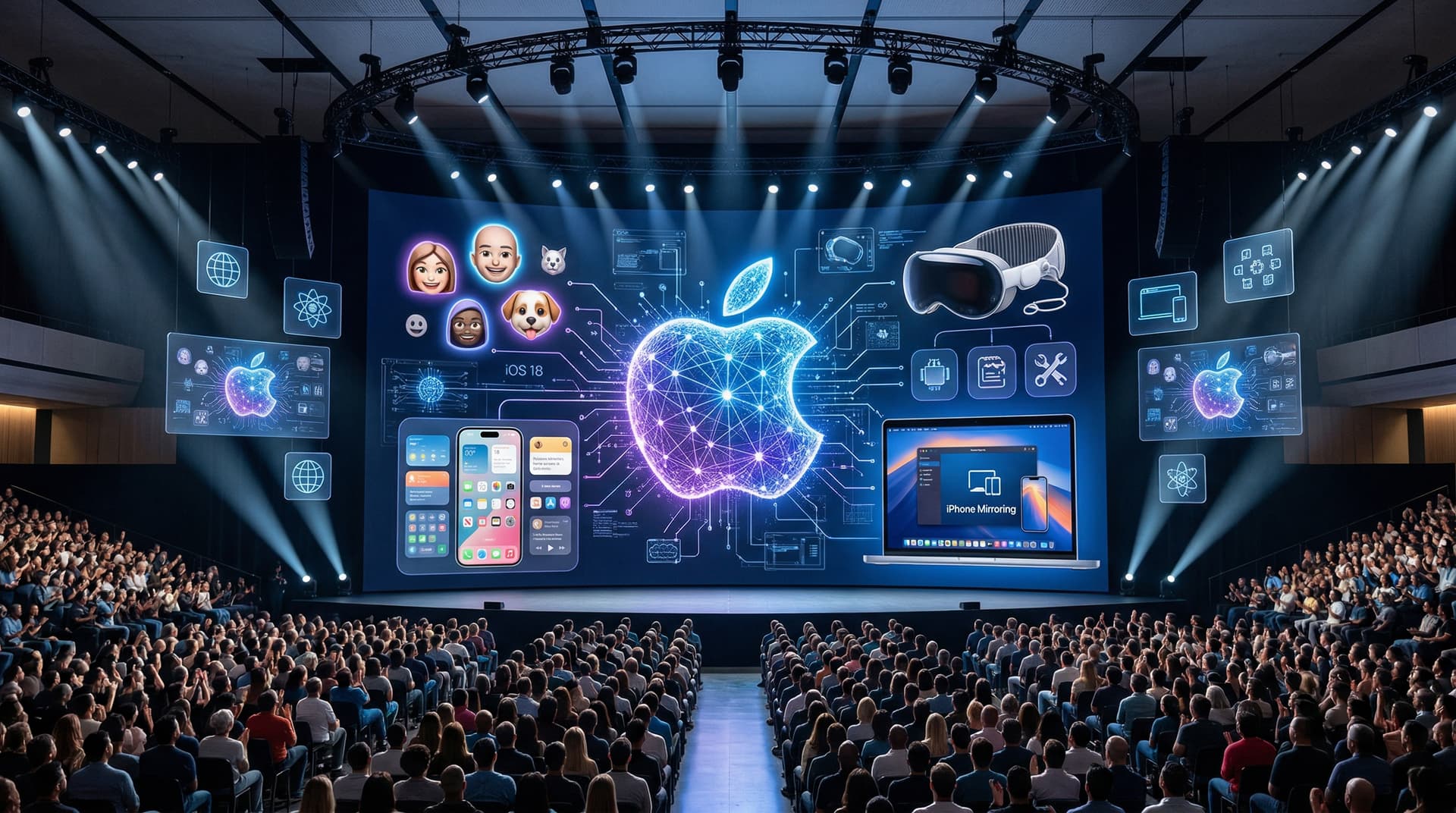
Apple's Worldwide Developers Conference (WWDC) kicked off on June 10, 2024, with a bang, marking a pivotal moment for the company as it dives headfirst into the artificial intelligence arena. For years, Apple has been the laggard in generative AI compared to rivals like Google and Microsoft, but WWDC 2024 changed that narrative. The star of the show was Apple Intelligence, a deeply integrated AI system promising smarter, more contextual experiences across iPhone, iPad, Mac, and even Apple Watch. In this comprehensive review, we'll dissect the key announcements, evaluate their strengths and limitations, and assess how they position Apple in the competitive tech landscape.
Apple Intelligence: The Game-Changer
At the heart of WWDC 2024 is Apple Intelligence, which isn't just another AI gimmick but a privacy-focused, on-device AI framework. Unlike cloud-heavy competitors, Apple emphasizes processing on-device where possible, with Private Cloud Compute for heavier tasks. Features include:
- Writing Tools: Rewrite, proofread, and summarize text in apps like Mail, Notes, and Safari. Imagine turning bullet points into polished emails effortlessly.
- Image Playground: Generate custom images from text prompts, integrated into Messages for playful stickers.
- Genmoji: Create personalized emojis based on descriptions—perfect for the emoji-obsessed.
- Smart Notifications and Mail: Prioritize alerts and summarize emails to cut through inbox clutter.
These roll out this fall with iOS 18, iPadOS 18, and macOS Sequoia, but require A17 Pro or M-series chips. Early demos were slick, showcasing natural language understanding that feels intuitive. However, it's worth noting Apple Intelligence launches in beta for English speakers, with more languages to follow. Privacy remains Apple's ace: no training on user data, and opt-in ChatGPT integration for complex queries without accounts.
Pros: Seamless ecosystem integration, top-tier privacy. Cons: Device limitations exclude older models; beta risks initial bugs.
iOS 18: Customization Unleashed
iOS 18 brings the biggest visual and functional overhaul since iOS 7. Home Screen icons can now be tinted, reshaped, or hidden entirely. The Control Center is modular, with drag-and-drop controls. Photos app gets a full redesign with themed collections via machine learning.
Key features:
- RCS Messaging: Finally bridges the green bubble divide with richer Android texts (though no end-to-end encryption).
- Messages Upgrades: Schedule texts, add effects to polls, and satellite messaging on iPhone 14+.
- Passwords App: A dedicated hub for logins, Wi-Fi passwords, and passkeys.
Safari's Highlights summarize web pages intelligently. It's a power-user's dream, but the icon jiggling during customization might irk minimalists. Performance previews were buttery on iPhone 15 Pro, hinting at fluid real-world use.
macOS Sequoia: Continuity and AI Synergy
macOS Sequoia (version 15) introduces iPhone Mirroring—control your iPhone from Mac like a windowed app. New window tiling, faster Spotlight with actions (e.g., 'Play playlist Queen'), and Safari reader mode with listening.
Apple Intelligence shines here: Create custom emoji in Notes, transcribe and summarize calls. For developers, it's a boon with new APIs. On M3 MacBook Air, demos felt native, no lag. This unifies the desktop-mobile experience better than ever, outpacing Windows 11's ecosystem ties.
iPadOS 18 and visionOS 2: Niche Powerhouses
iPadOS 18 borrows macOS Calculator and enhances Math Notes for live calculations. A new Tab Bar unifies apps like Files. It's closing the gap to Mac productivity without losing touch-first design.
visionOS 2 for Vision Pro adds spatial photos (turn 2D into 3D), Mac Virtual Display (double external monitors), and Travel Mode for flights. Eye-tracking guest access lowers barriers. Reviews from early users praise immersion, but at $3,500, it's niche. WWDC demos addressed motion sickness tweaks.
watchOS 11 and tvOS 18 get quieter upgrades: Vitals app for health trends, InSight for workouts; personalized sliders on Apple TV.
Siri 2.0: Smarter, But Not Perfect
Revamped Siri understands context across apps—"Add the botanical garden to my weekend hike list." Personal Context pulls from emails, photos. It's powered by Apple Intelligence, with ChatGPT as a fallback. Demos were impressive, handling interruptions gracefully, but no app actions yet (fall update). Compared to Gemini or Copilot, it's catch-up, but on-device edge wins for speed.
Developer Tools and Ecosystem Impact
WWDC isn't just keynotes; 100+ sessions empowered devs with Swift 6, Xcode 16, and Metal 4 for ray tracing. Metal 3D for Apple Intelligence tools. This fuels third-party AI apps, potentially rivaling App Store's AI explosion.
Pricing? All free updates. Rollout starts September for compatible devices (iPhone 15 Pro+, recent iPads/Macs). Exclusions sting for upgraders.
Verdict: A Strong 9/10
WWDC 2024 is Apple's AI manifesto, blending innovation with restraint. It doesn't chase hype with standalone LLMs but embeds AI meaningfully. Strengths: Privacy, polish, integration. Weaknesses: Hardware gates, delayed full features. In the AI arms race, Apple plays long game, leveraging 2B+ devices.
If you're on recent hardware, excitement builds. Others, time to upgrade? WWDC proves Apple listens—customization demands met, AI fears addressed. A triumphant return to form.
(Word count: 912)