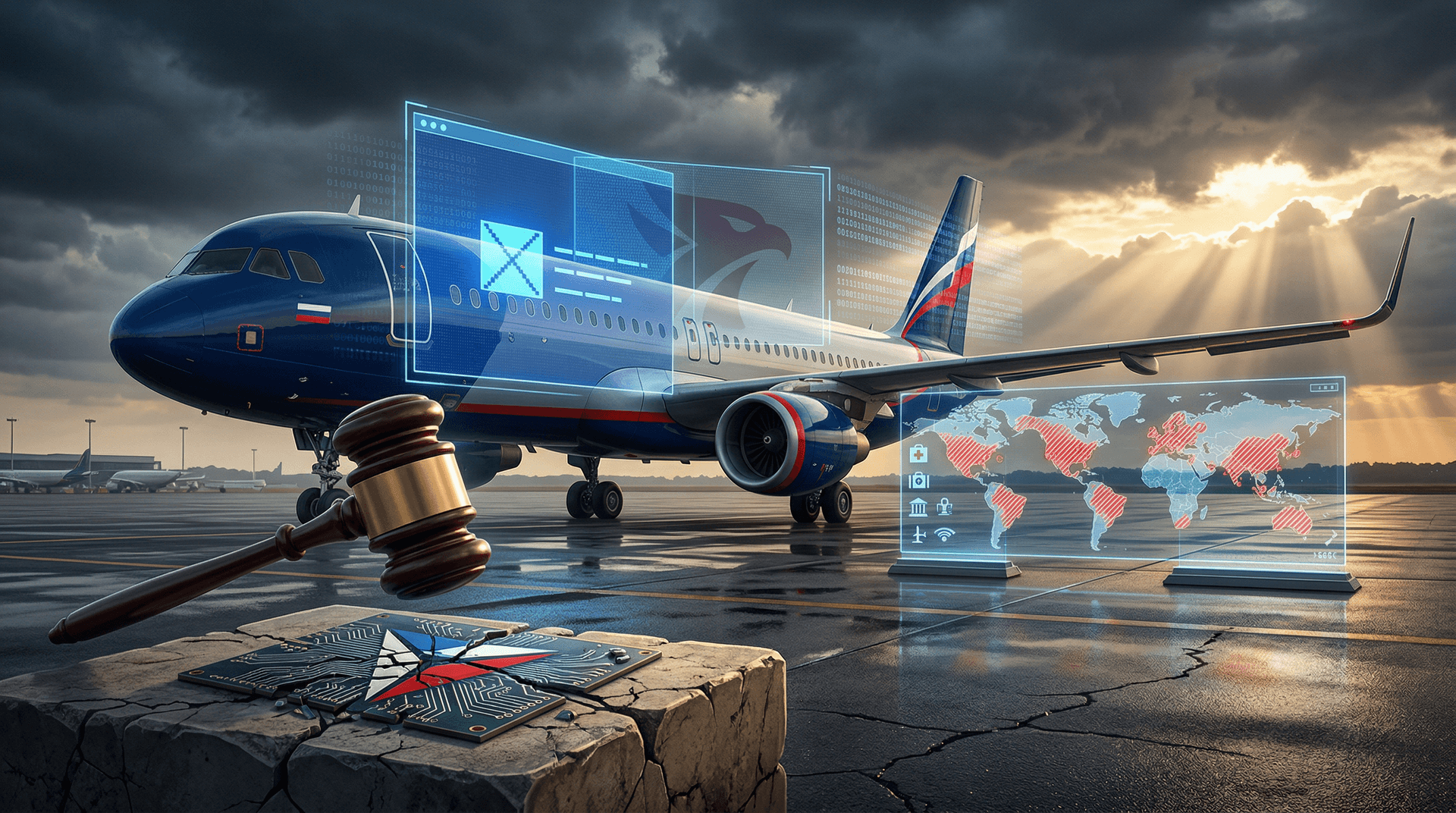
In a bold move that could set precedents for software liability, Delta Air Lines Inc. filed a lawsuit against cybersecurity giant CrowdStrike Holdings Inc. on August 6, 2024, in Fulton County Superior Court, Georgia. The airline accuses CrowdStrike of deploying a defective software update that triggered one of the largest IT outages in history, costing Delta an estimated $500 million in losses alone.
The incident in question stems from July 19, 2024, when a flawed content update to CrowdStrike's Falcon sensor software—designed to detect cyber threats—crashed millions of Windows systems worldwide. This "blue screen of death" cascade effect paralyzed operations at airlines, hospitals, banks, and stock exchanges, leading to over 8.5 million affected devices according to Microsoft estimates.
The Outage: A Perfect Storm of Software Failure
CrowdStrike's Falcon platform is a cornerstone of endpoint detection and response (EDR) for enterprises. The update, pushed automatically to customer systems, contained a logic error in a channel file that caused kernel-level crashes on Windows machines. Mac and Linux systems were unaffected, highlighting the specificity of the bug.
Delta, heavily reliant on CrowdStrike for cybersecurity, saw its crew scheduling and reservation systems obliterated. Over 5,000 flights were canceled in the days following, stranding passengers and incinerating revenue. CEO Ed Bastian publicly lambasted the incident, stating in an employee town hall that Delta was "still burning $500 million a year from the CrowdStrike meltdown."
The lawsuit details how CrowdStrike failed to adequately test the update, lacked sufficient rollback mechanisms, and provided inadequate support during recovery. Delta claims breach of contract, negligence, and seeks compensatory damages, including lost profits and recovery costs.
CrowdStrike, in response, expressed regret but defended its actions. CEO George Kurtz testified that the issue was not a security breach but a "bug," emphasizing the company's swift remediation efforts, which included a detailed post-incident report released on July 24.
Broader Industry Ripples
This isn't just an airline spat; it's a wake-up call for the software industry. The outage exposed the fragility of "zero-trust" architectures where third-party updates can topple empires.
- Recovery Challenges: Manual fixes required booting into safe mode and deleting the faulty file—a Herculean task for IT teams managing thousands of endpoints.
- Economic Toll: Paramount Global alone disclosed $30 million losses; total global costs could exceed $10 billion.
- Regulatory Scrutiny: The U.S. Department of Homeland Security launched a probe, and senators like Josh Hawley demanded answers on update protocols.
Experts weigh in: Cybersecurity analyst Kevin Beaumont called it "the worst EDR meltdown ever," while Gartner VP Siddharth Shetty noted, "Automatic updates are convenient until they aren't. Enterprises must demand more rigorous testing from vendors."
Lessons for Software Development
The CrowdStrike fiasco reignites debates on software delivery practices:
1. Testing Rigor: Despite claims of multi-stage validation, the bug slipped through. Future updates may require canary deployments or A/B testing at scale. 2. Rollback Mechanisms: CrowdStrike's fix relied on manual intervention; automated recovery tools could mitigate such disasters. 3. Vendor Lock-in Risks: Delta's deep integration amplified the pain, prompting calls for diversified cybersecurity stacks. 4. Liability Frameworks: This suit tests whether vendors bear full responsibility for update-induced damages.
In the DevOps world, CI/CD pipelines promise speed, but incidents like this underscore the need for "shift-left" security—baking in resilience from code commit to production.
CrowdStrike's Path Forward
Shares of CrowdStrike plummeted 30% post-outage but have partially recovered. The company waived three months of fees for affected customers and hired Oliver Cromwell as CISO to bolster quality controls.
Kurtz reiterated at a recent conference: "We own this. We're implementing fixes to prevent recurrence, including enhanced validation and customer opt-in for updates."
For Delta, victory in court could recoup losses, but reputational scars linger. The airline has since bolstered its IT redundancy, partnering with additional vendors.
Implications for Critical Infrastructure
As software permeates aviation, healthcare, and finance, such events demand systemic change. The EU's Digital Operational Resilience Act (DORA) and U.S. CISA guidelines may tighten, mandating update audits and incident reporting.
This lawsuit arrives amid rising AI-driven software complexity, where generative tools accelerate coding but riskier bugs. Developers must prioritize "software supply chain" security, treating updates like pharmaceuticals—with trials and recalls.
In conclusion, Delta vs. CrowdStrike isn't merely litigious theater; it's a pivotal moment forcing the tech sector to confront the high stakes of flawless execution. As enterprises digitize, the line between innovation and catastrophe blurs. Will this catalyze safer software? Time—and the courts—will tell.
(Word count: 912)