- GSA AI automation offsets 1 million work hours.
- 40% workforce reduction via attrition and freezes.
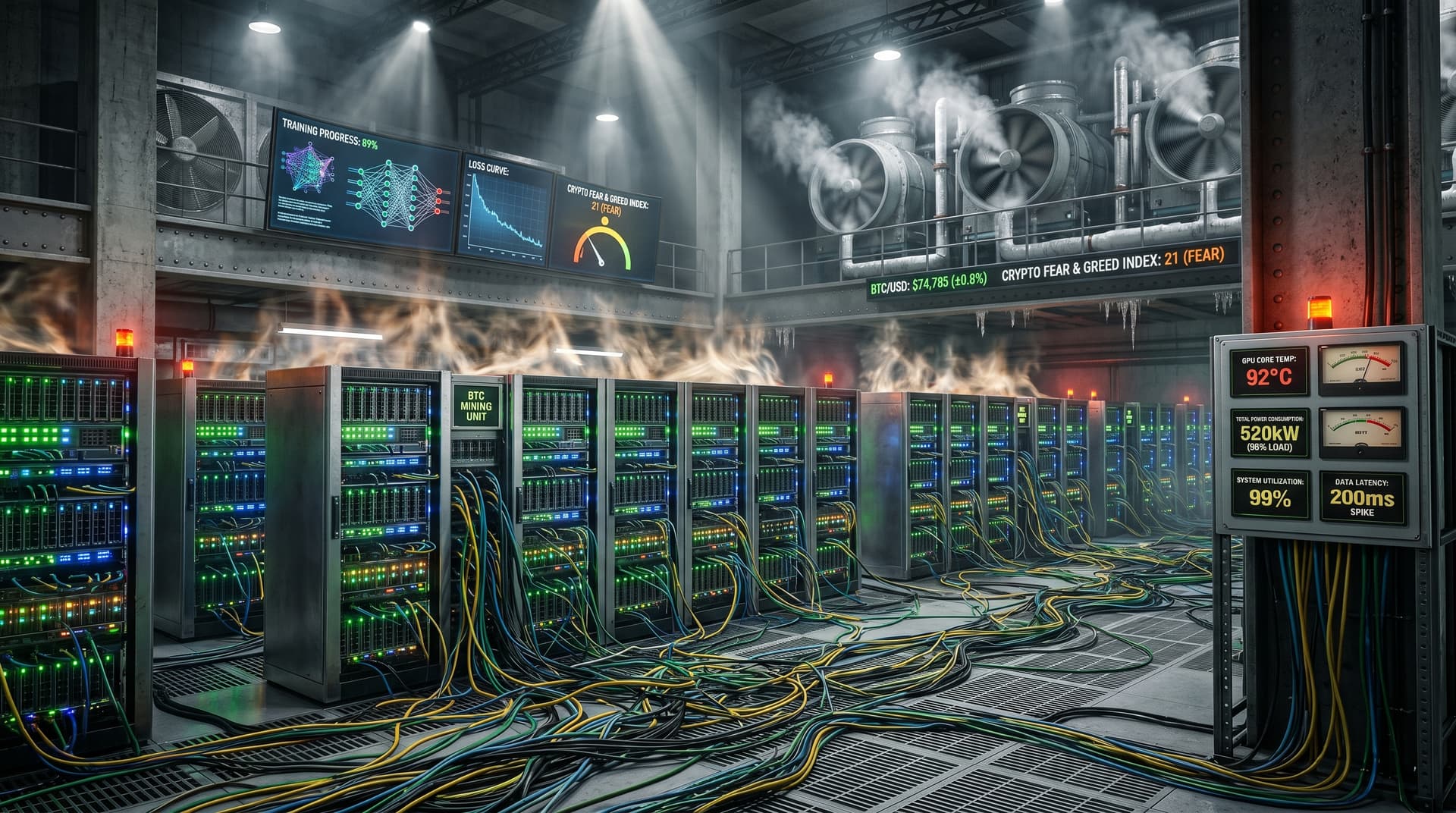
- Bitcoin at 74,218 USD; Fear & Greed Index at 21.
GSA AI Automation Initiative
GSA AI automation offsets 1 million work hours after a 40% workforce cut. GSA Administrator Robin Carnahan announced the plan on April 14, 2026. Tamara Kalandos of Federal News Network reported the details.
GSA oversees federal procurement, IT services, and real estate for U.S. government entities. Software operations form a core function, Carnahan stated.
Workforce Reductions Hit Software Teams
GSA reduced its workforce by 40% through attrition and hiring freezes. Federal budget constraints drove the cuts, GSA CIO David A. Shive told Federal News Network. Software teams now handle higher IT support and procurement demands.
Manual processes slowed federal software deployments amid rising agency needs. GSA chose AI automation to fill the gaps, Shive said.
GSA manages 90 billion USD in annual contracts, per agency data cited by Kalandos.
See AI at GSA.
Specific AI Tools in Use
GSA AI automation manages routine tasks in software operations. Robotic process automation (RPA) handles data entry. Machine learning (ML) predicts IT ticket volumes, Carnahan noted.
Natural language processing (NLP) reviews procurement contracts for compliance risks. These tools reduce manual labor. GSA projects 1 million hours saved annually, per internal estimates cited by Kalandos.
Software operations cover vendor management and federal dashboards. GSA AI Use Case Inventory lists applications.
Additional tools include optical character recognition (OCR) for document processing and anomaly detection for IT security, Shive added.
Rollout and Technical Details
RPA bots process support tickets and update records. Generative AI summarizes compliance reports. Predictive analytics forecasts software procurement needs, Shive explained.
GSA integrates tools with cloud platforms and federal systems. The agency uses open-source models and approved vendors under federal acquisition rules.
Legacy systems pose integration challenges. AI models train on anonymized federal data. Security protocols meet government standards.
Pilot programs tested tools on 10% of software workflows before full rollout.
Cost Savings and Budget Shifts
GSA AI automation cuts labor costs by 25 million USD annually. The figure uses average federal pay rates of 25 USD per hour, per GSA estimates cited by Kalandos. Budgets now fund strategic software projects.
Vendors provide AI modules for government contracts. Procurement processes accelerate. Savings from 1 million hours offset payroll expenses, Carnahan said.
Federal IT spending emphasizes efficiency under budget limits.
Crypto Prices Amid Tech News
Bitcoin traded at 74,218 USD, up 1.5% in the April 14, 2026, New York session, CoinGecko data shows. Ethereum rose 3.0% to 2,320.38 USD.
The Fear & Greed Index reached 21, indicating extreme fear. Blockchain technologies support similar automation efficiencies in private sector software.
CoinGecko Bitcoin page provides live metrics. Crypto markets reflect broader tech adoption risks.
Impacts Across Federal Agencies
GSA AI automation affects agencies like HHS and DoD. Government software standardization speeds deployments. Vendors increase AI product development for federal bids.
Private companies adopt similar strategies post-layoffs. Federal guidelines require AI ethics compliance. GSA funds training to address skill shortages.
GSA tracks progress via performance dashboards. Results will shape future AI expansions. GSA AI automation supports ongoing government software efficiency.
This article was generated with AI assistance and reviewed by automated editorial systems.