- MIT-IBM Computing Research Lab launched October 10 with 433-qubit IBM hardware.
- Bitcoin trades at $75,916 for $1.52T cap; Fear & Greed Index hits 26.
- Quantum threats spur NIST Dilithium upgrades in crypto networks.
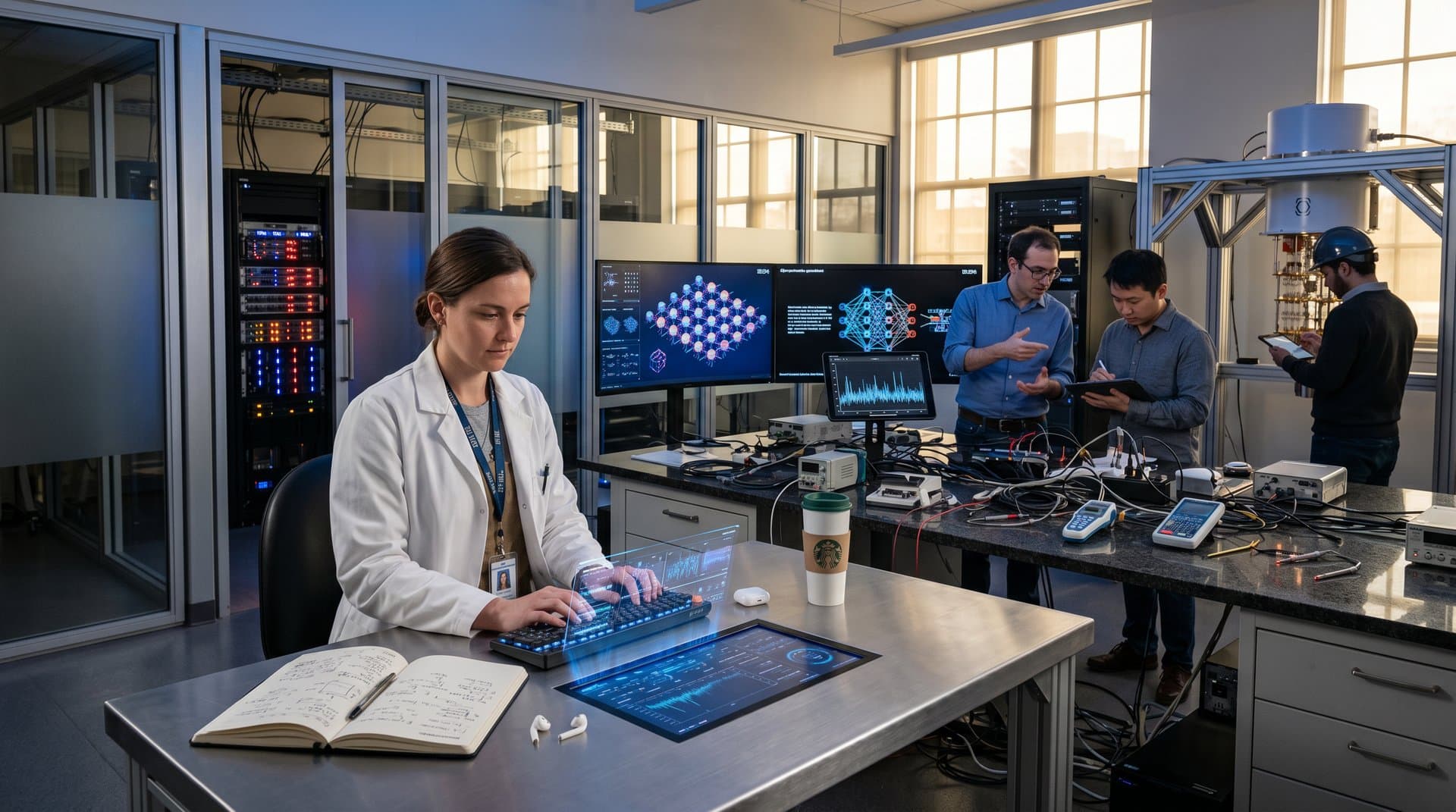
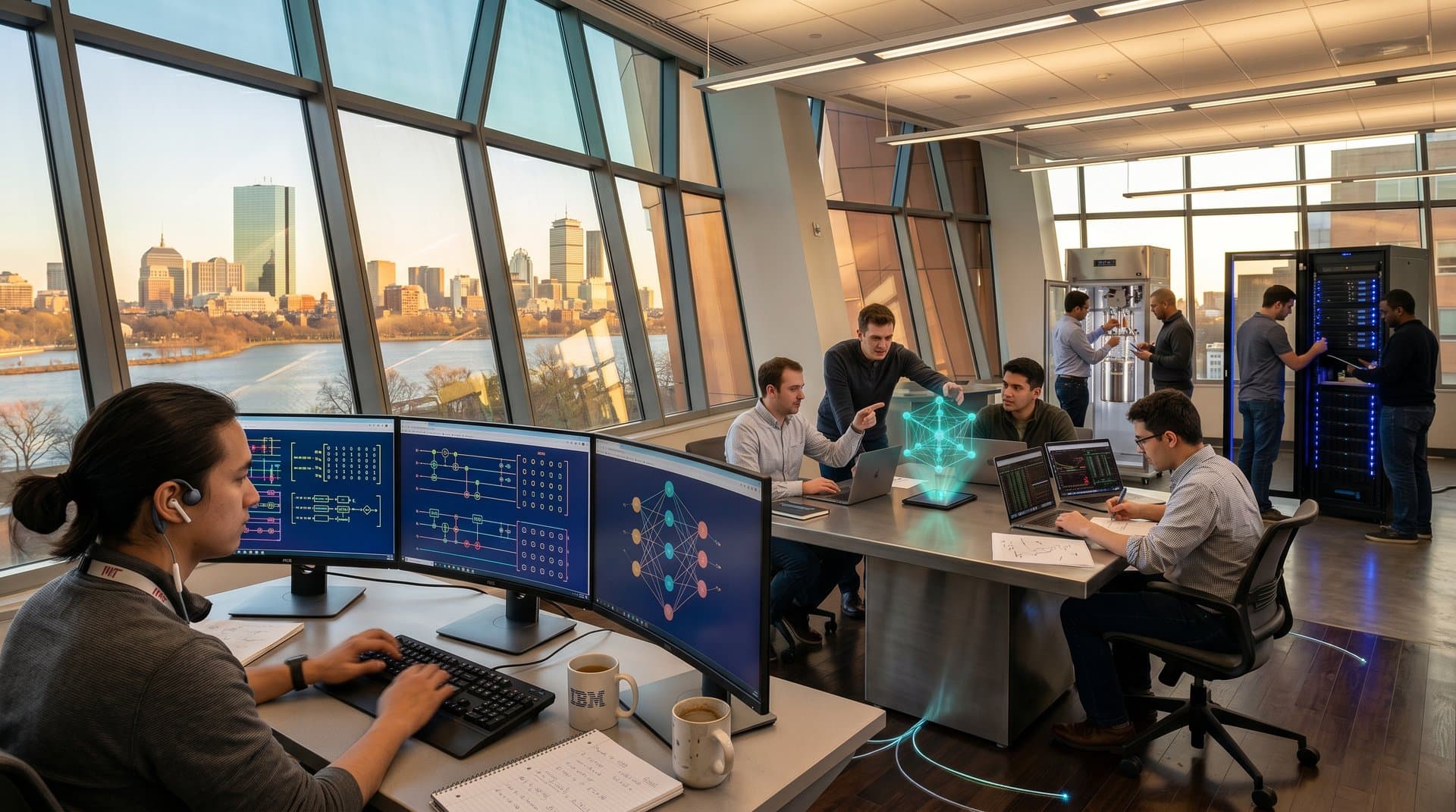
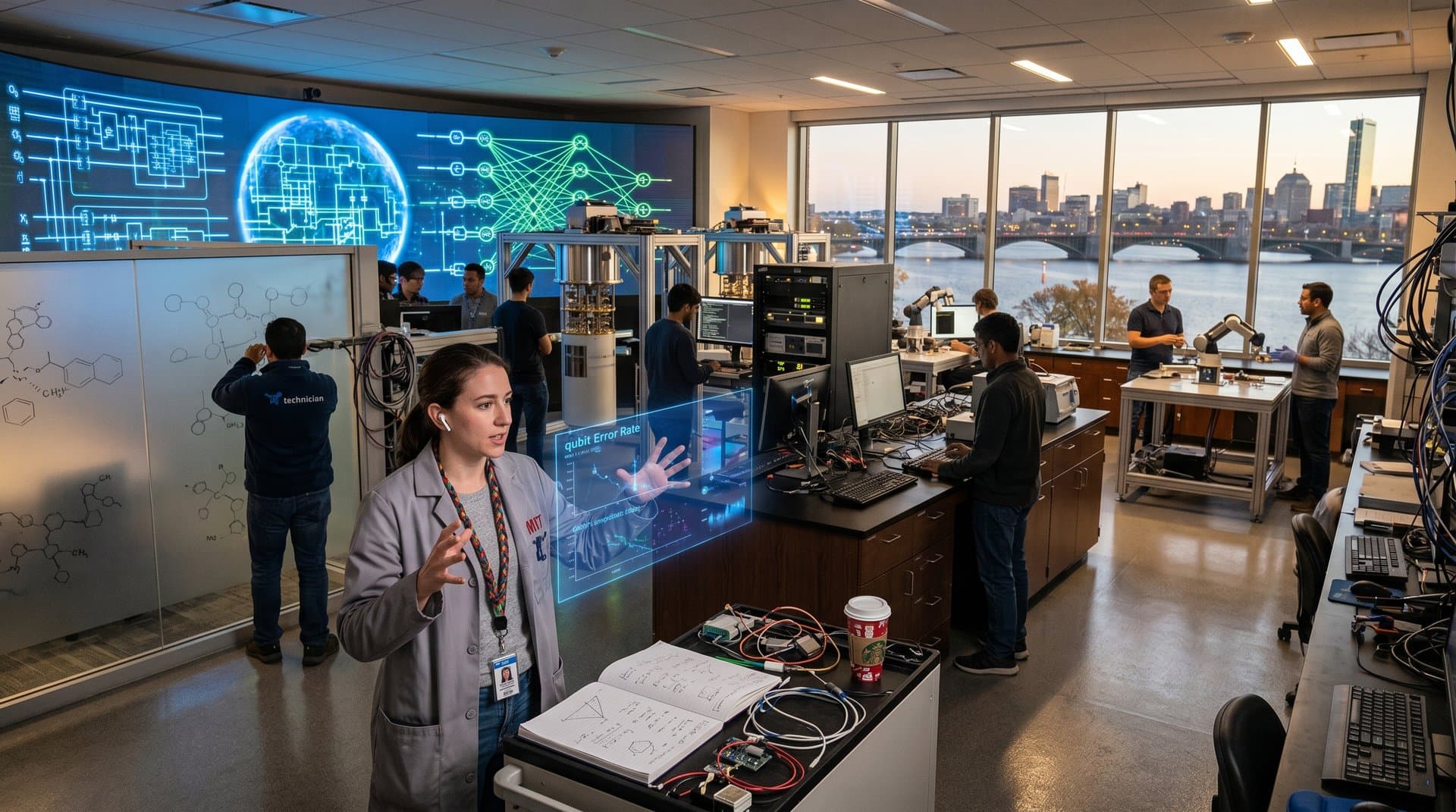
The MIT-IBM Computing Research Lab opened on October 10, 2024. MIT and IBM aim to develop hybrid artificial intelligence and quantum computing systems. Dario Gil, senior vice president and director of IBM Research, announced the lab in an IBM Newsroom statement.
The new lab extends work from the MIT-IBM Watson AI Lab. That prior effort focused on AI applications since 2017. Gil stated the expansion addresses needs in scalable computing for finance and science.
IBM Provides Quantum Hardware
IBM supplies quantum processors from its roadmap. The 433-qubit IBM Osprey processor serves as a starting point, per details on the IBM Quantum Computing page. Plans include scaling to the 1,121-qubit Flamingo by 2025.
MIT's Computer Science and Artificial Intelligence Laboratory (CSAIL) provides expertise in AI model scaling. Pu Huang, CSAIL principal research scientist, noted focus on error-corrected quantum systems. These surpass noisy intermediate-scale quantum (NISQ) limits.
Joint efforts target quantum machine learning algorithms. Researchers simulate molecular structures for drug discovery. Finance uses include portfolio optimization via quantum annealing.
Quantum Risks Drive Crypto Defenses
Quantum computers could break elliptic curve cryptography in Bitcoin and Ethereum. Shor's algorithm poses the main threat. Bitcoin Core developer Luke Dashjr warned of this risk in developer forums dated September 2024.
Post-quantum schemes like NIST's CRYSTALS-Dilithium gain traction. Dustin Moody, NIST mathematician and project lead, confirmed standardization progress in a July 2024 update. The lab develops fault-tolerant hardware to support these.
Bitcoin developers eye soft forks for upgrades. Ethereum's proof-of-stake, implemented in the 2022 Merge, eases quantum-resistant changes. Layer-1 chains like Solana test similar protocols.
Crypto Market Data Shows Fear
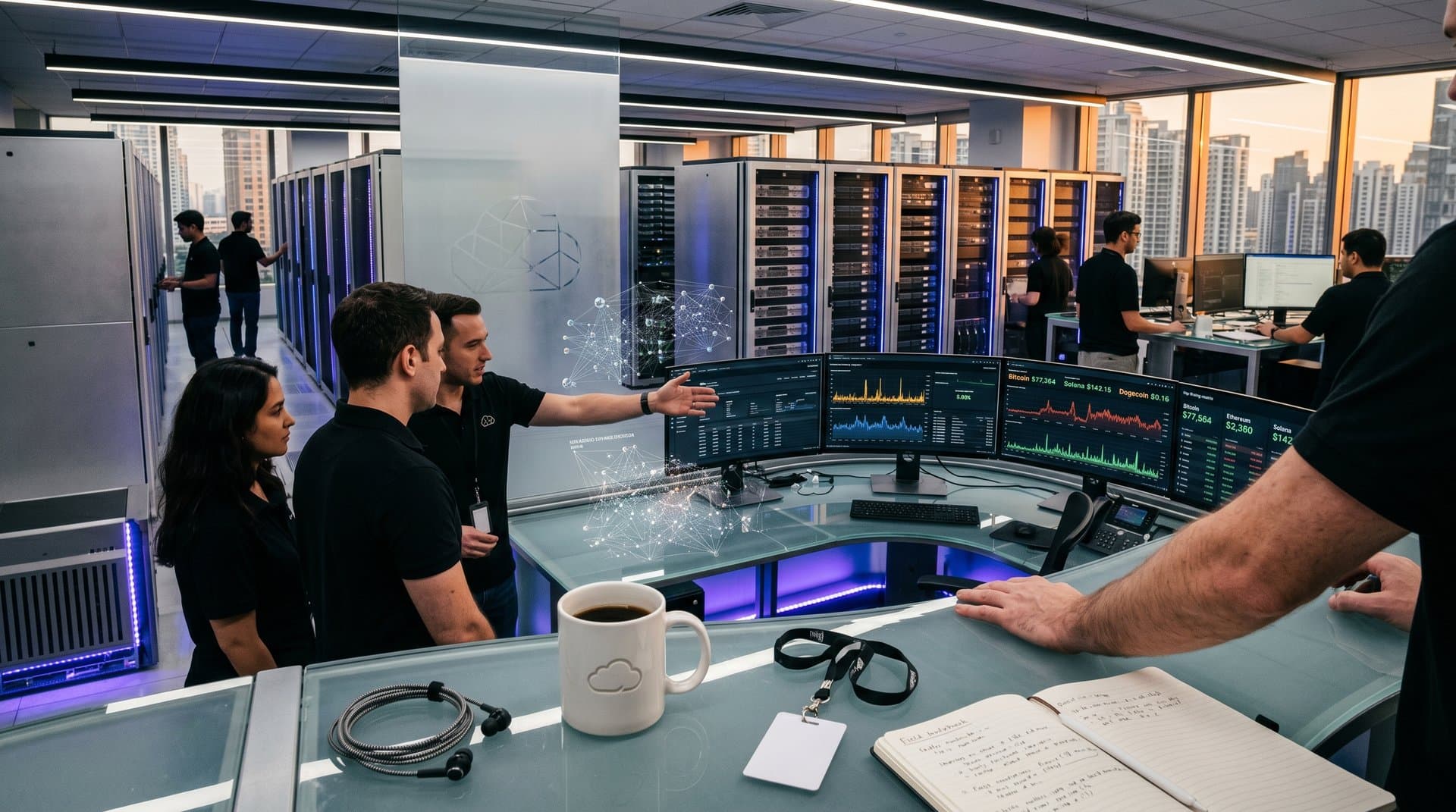
CoinGecko reported Bitcoin at $75,916 on October 10, 2024, down 0.7% in 24 hours. Market cap reached $1,520.2 billion. Ethereum traded at $2,252.94, down 1.8%, with $271.9 billion cap.
Alternative.me's Fear & Greed Index stood at 26, indicating fear. The index aggregates volatility, volume, and social sentiment.
- Asset: BTC · Price (USD): 75,916 · 24h Change: -0.7% · Market Cap: $1,520.2B
- Asset: ETH · Price (USD): 2,252.94 · 24h Change: -1.8% · Market Cap: $271.9B
- Asset: XRP · Price (USD): 1.37 · 24h Change: -1.1% · Market Cap: $84.4B
- Asset: BNB · Price (USD): 617.01 · 24h Change: -1.1% · Market Cap: $83.2B
- Asset: SOL · Price (USD): 82.86 · 24h Change: -1.2% · Market Cap: $47.7B
Total crypto market cap fell to $2.12 trillion per CoinGecko.
Finance Applications Expand
High-frequency trading relies on AI pattern recognition. Quantum computing accelerates Monte Carlo simulations for risk assessment. JPMorgan Chase ran portfolio optimization tests on IBM quantum hardware in 2023, per bank quantum lead Marco Pistoia.
IBM's Quantum Network counts over 210 members, including banks and insurers. Europe's Markets in Crypto-Assets (MiCA) rules start January 2026. They require advanced technology for security.
Coinbase deploys AI for fraud detection. Exchanges test quantum key distribution for encryption.
Technical Challenges Persist
Scalable error correction remains key. Qubit decoherence limits runtimes to microseconds. AI training demands massive energy, with models like GPT-4 using gigawatt-hours.
Funding comes from IBM, MIT endowments, DARPA grants, and NSF awards. IBM leads in quantum volume benchmarks. Open-source Qiskit tools on GitHub support developers.
NIST sets post-quantum standards for 2026 rollout.
Rivals Develop Quantum Systems
Google DeepMind advances quantum error correction. IonQ reports 32-qubit systems. The MIT-IBM Computing Research Lab contributes to hybrid AI-quantum development.
Financial institutions and DeFi protocols prepare for quantum impacts. Quantum-safe AI computing may improve risk modeling and trading by 2030. The lab positions institutions to address these needs.
Frequently Asked Questions
What is the MIT-IBM Computing Research Lab?
MIT and IBM launched the lab October 10, 2024, to advance AI-quantum systems, building on Watson AI Lab per IBM Newsroom.
How does quantum computing threaten crypto?
Shor's algorithm risks breaking elliptic curve cryptography in Bitcoin and Ethereum. Lab work supports NIST post-quantum standards like Dilithium.
What finance impacts follow lab advances?
Quantum speeds risk models and optimization. MiCA rules from 2026 demand advanced tech. BTC market cap hits $1.52T per CoinGecko.
What are the lab's main challenges?
Scalable error correction and decoherence persist. Funding from IBM, MIT, DARPA, NSF aids progress toward fault-tolerant systems.